
Introduction: AI vs Human – Understanding the New Reality
In recent years, Artificial Intelligence has become one of the most powerful and transformative technologies in human history. From virtual assistants and chatbots to medical diagnosis and self-driving cars, AI is changing how we live and work.
Many people are now asking an important question: Is AI better than humans? And will AI replace humans in the future?
To answer this question, we must understand both Artificial Intelligence and Human Intelligence, their strengths, weaknesses, and future roles.
This article provides a complete comparison between AI and humans in terms of speed, creativity, emotions, decision-making, and future potential.
What is Human Intelligence?
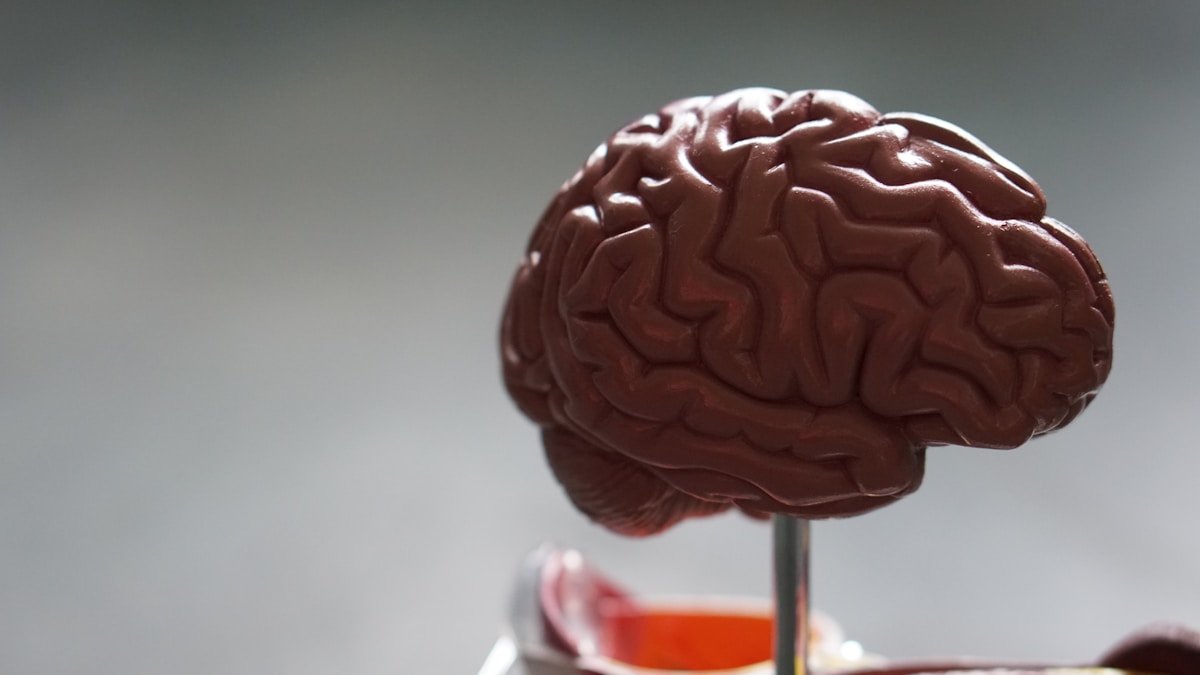
Human Intelligence is the natural ability of humans to learn, understand, think, adapt, and make decisions. It is developed through experience, education, and emotional understanding.
Humans have the ability to analyze situations, understand emotions, and create innovative solutions. Human intelligence is flexible and adaptable, which makes humans capable of handling complex and unpredictable situations.
Key features of Human Intelligence:
- Emotional understanding
- Creativity and imagination
- Logical reasoning
- Moral judgment
- Learning from experience
- Adaptability
One of the most important advantages of human intelligence is emotional intelligence. Humans can understand feelings such as happiness, sadness, empathy, and motivation. This ability helps humans build relationships and lead organizations.
Humans are also highly creative. They can create art, music, inventions, and new ideas that machines cannot truly replicate.
What is Artificial Intelligence?
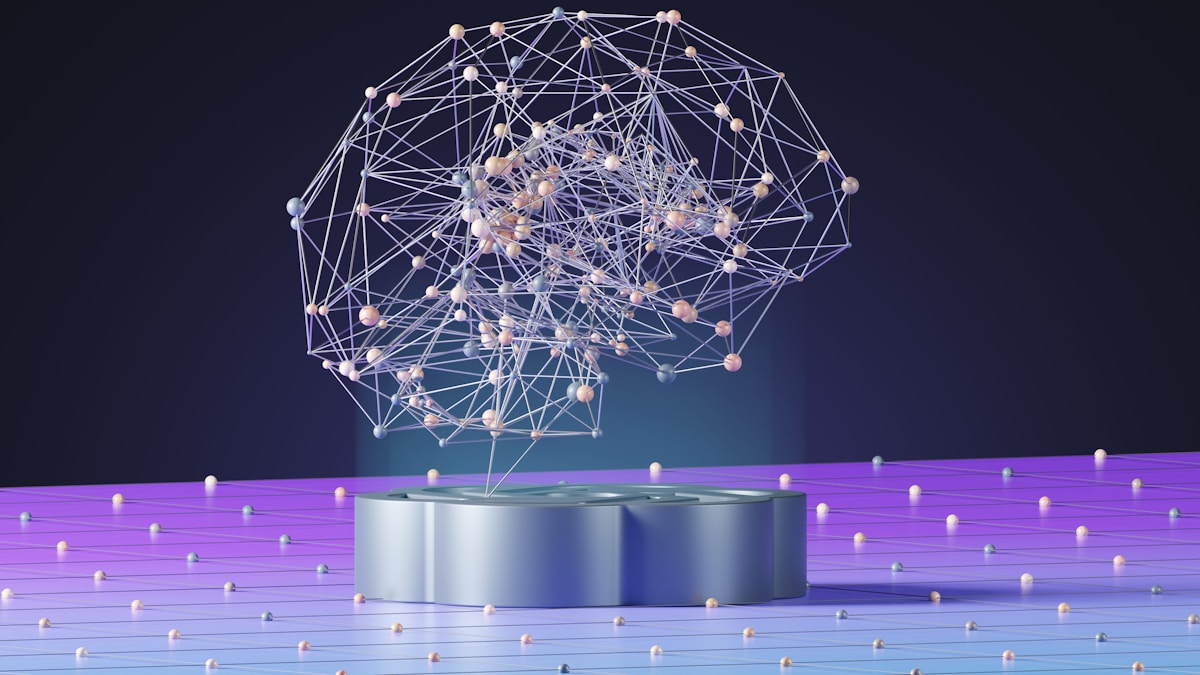
Artificial Intelligence is a branch of computer science that enables machines to perform tasks that normally require human intelligence. AI systems can learn from data, recognize patterns, and make decisions.
AI works based on algorithms, machine learning, and large amounts of data.
Examples of AI include:
- Chatbots
- Voice assistants
- Recommendation systems
- Self-driving cars
- Fraud detection systems
- Medical diagnosis systems
AI systems can process massive amounts of data much faster than humans. They can analyze millions of records in seconds and provide accurate results.
However, AI does not have emotions, consciousness, or true understanding like humans.
AI vs Human Comparison
| Feature | AI | Human |
|---|---|---|
| Speed | Very fast | Slow |
| Accuracy | High | Medium |
| Creativity | Limited | High |
| Emotions | No | Yes |
Advantages of Artificial Intelligence
AI offers many benefits that improve efficiency and productivity.
1. High Speed and Efficiency
AI can perform tasks faster than humans. This improves productivity in industries such as banking, healthcare, and manufacturing.
2. Automation
AI can automate repetitive tasks such as data entry, customer support, and analysis. This saves time and reduces human effort.
3. Accuracy
AI reduces human errors and improves accuracy in calculations and analysis.
4. Availability
AI systems can work continuously without rest.
5. Data Analysis
AI can analyze large datasets quickly and provide useful insights.
Disadvantages of Artificial Intelligence
Despite its advantages, AI also has limitations.
1. Lack of Emotions
AI cannot understand or feel emotions.
2. Job Displacement
AI automation may replace some jobs, especially repetitive tasks.
3. High Cost
Developing and maintaining AI systems can be expensive.
4. Lack of Creativity
AI cannot truly create original ideas like humans.
5. Dependence on Data
AI depends on data quality. Poor data leads to poor results.
Advantages of Human Intelligence
Human intelligence has several unique strengths.
1. Creativity
Humans can create innovative ideas and solutions.
2. Emotional Understanding
Humans understand emotions and social interactions.
3. Adaptability
Humans can adapt to new situations quickly.
4. Leadership
Humans can inspire and lead others.
5. Moral Judgment
Humans can make ethical decisions.
Disadvantages of Human Intelligence
- Slower processing speed
- Limited memory
- Emotional bias
- Fatigue and tiredness
- Possibility of errors
Real-World Applications of AI
AI is already used in many industries.
Healthcare
AI helps doctors diagnose diseases faster and more accurately.
Banking
AI detects fraud and analyzes financial data.
Customer Support
Chatbots provide 24/7 support.
Transportation
Self-driving cars use AI.
Education
AI helps students learn better.
Will AI Replace Humans?
This is the most common question today. The answer is: AI will not completely replace humans.
AI will replace repetitive and routine tasks, but humans will remain essential for creativity, leadership, and emotional roles.
Future workplaces will use a combination of AI and human intelligence. AI will assist humans, not replace them completely.
Future of AI and Humans
The future will involve collaboration between AI and humans.
- Data analysis
- Automation
- Repetitive tasks
- Creativity
- Leadership
- Strategy
- Emotional interaction
This collaboration will increase productivity and innovation. AI will become a powerful tool that helps humans achieve more.
AI vs Human: Which is Better?
- Speed
- Accuracy
- Automation
- Data analysis
- Creativity
- Emotional intelligence
- Leadership
- Adaptability
Future of AI
The future will involve collaboration between humans and AI. AI will assist humans and improve productivity.
Learn More About AI
Conclusion
AI is powerful but cannot replace human creativity and emotions. The future is collaboration between AI and humans.
Disclaimer : This blog is AI generated. newsandblogs cannot be responsible held for any errors or omissions.